
It took around four years for the Jaguar engineers to develop the successors to the 240/340 and 420G series. Drivers were looking for a more spacious and, above all, comfortable high-end saloon. At 4.8 m long, almost 1.8 m wide and weighing at least 1.6 tonnes, the solution came in autumn 1968 with the launch of the XJ 6, which offered unexpected luxury and style. Technically speaking, the engineers relied on both proven and modern elements. The 4.2-litre six-cylinder engine came from its predecessor, though this time offering 186 hp. Whether manual or with Borg Warner automatic transmission, it had power. In addition, the wheels were individually installed and of course equipped with disc brakes.
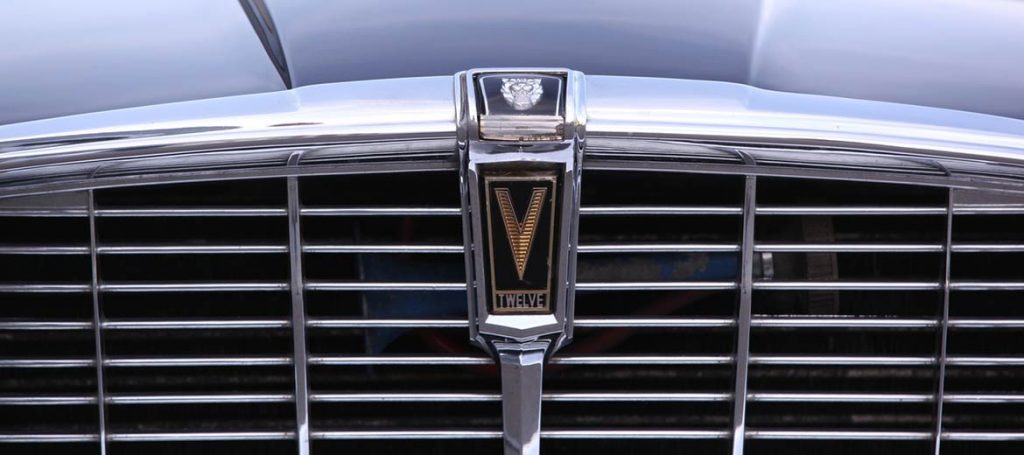
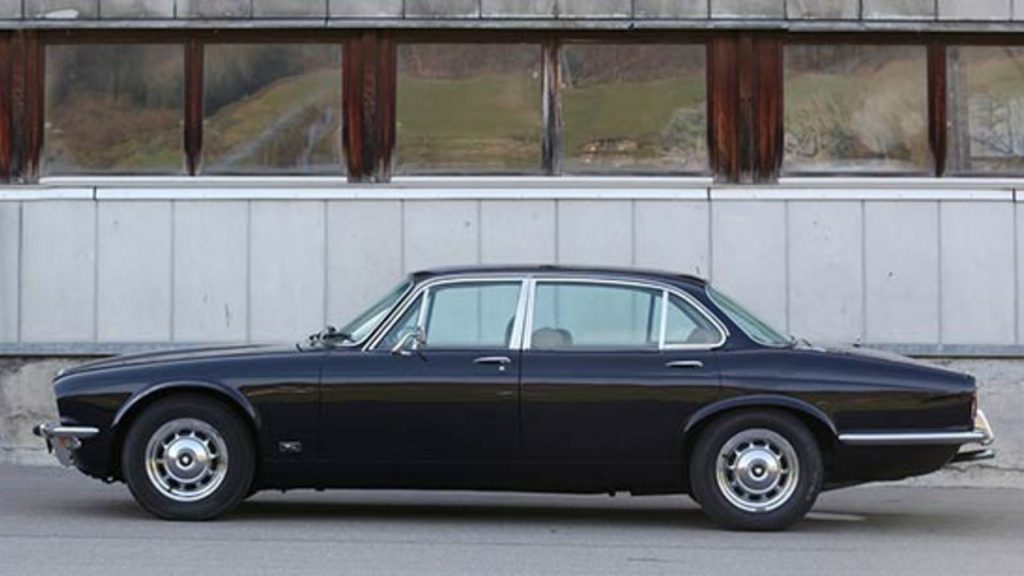
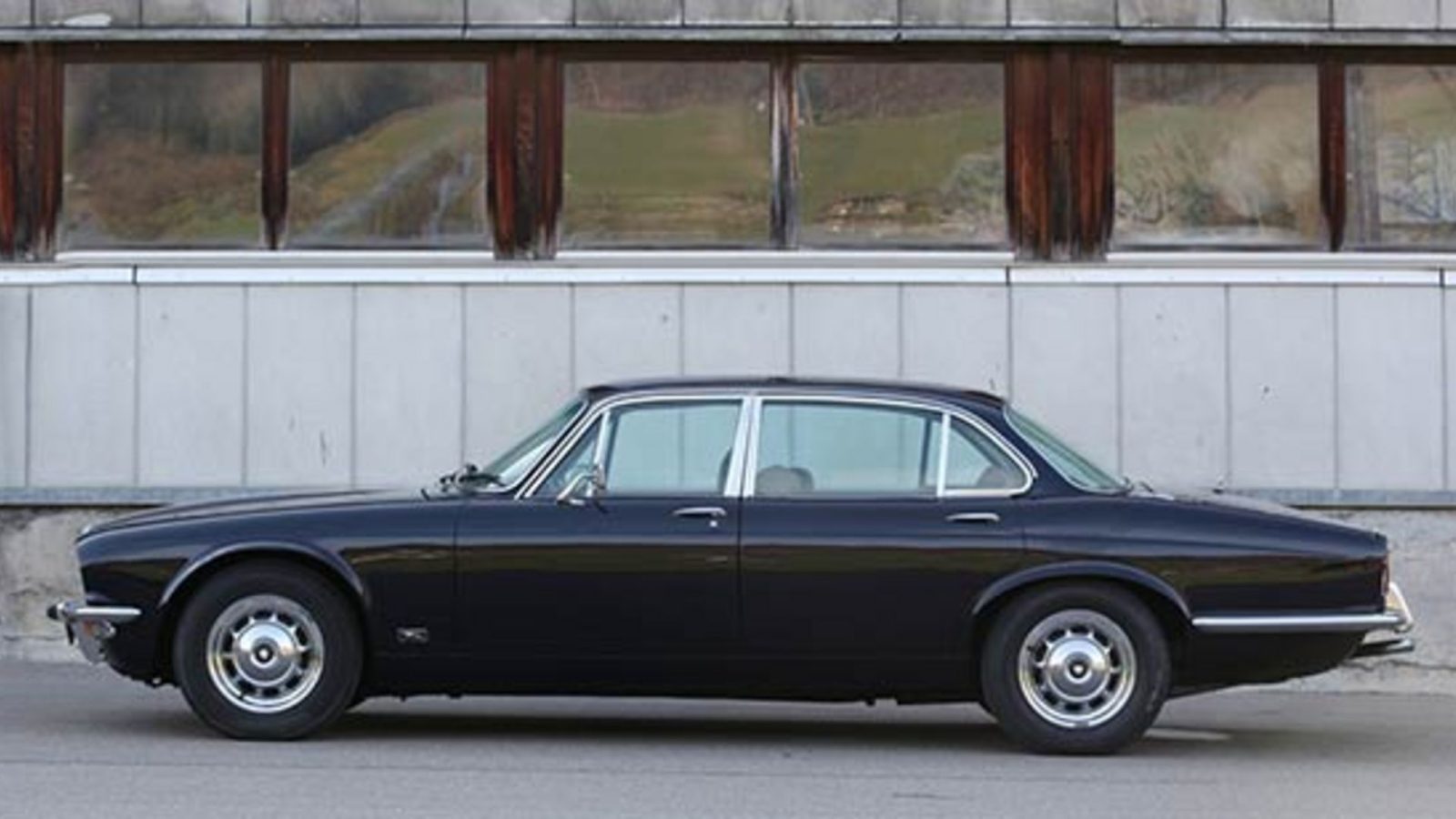
1973 Jaguar XJ 12 L Series II – The Jaguar emblem as a sign of its manufacturing heritage © Copyright / Photographer: Bruno von Rotz
Jaguar XJ 12 L – For those who want more
More luxury thanks to 12 cylinders
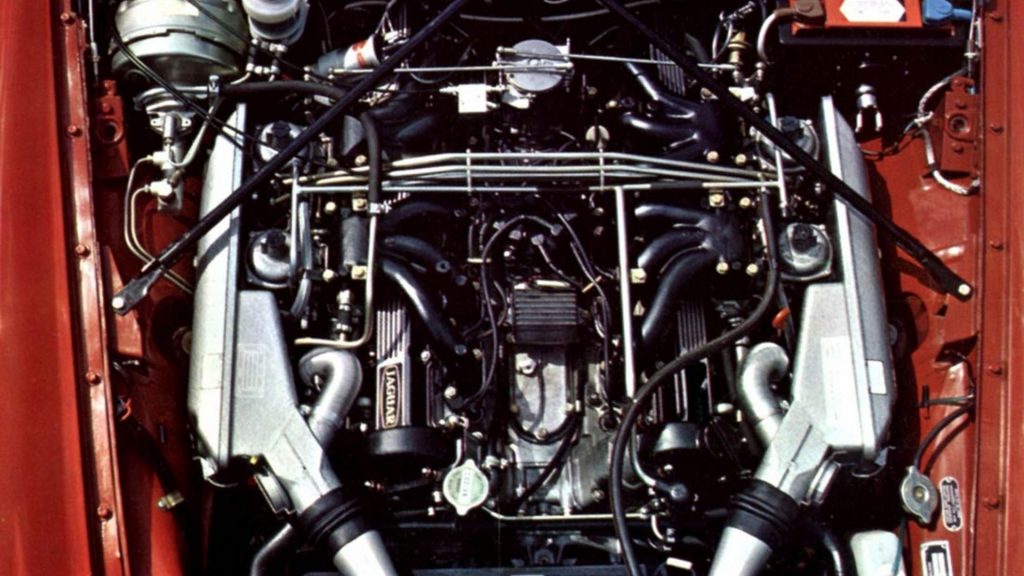
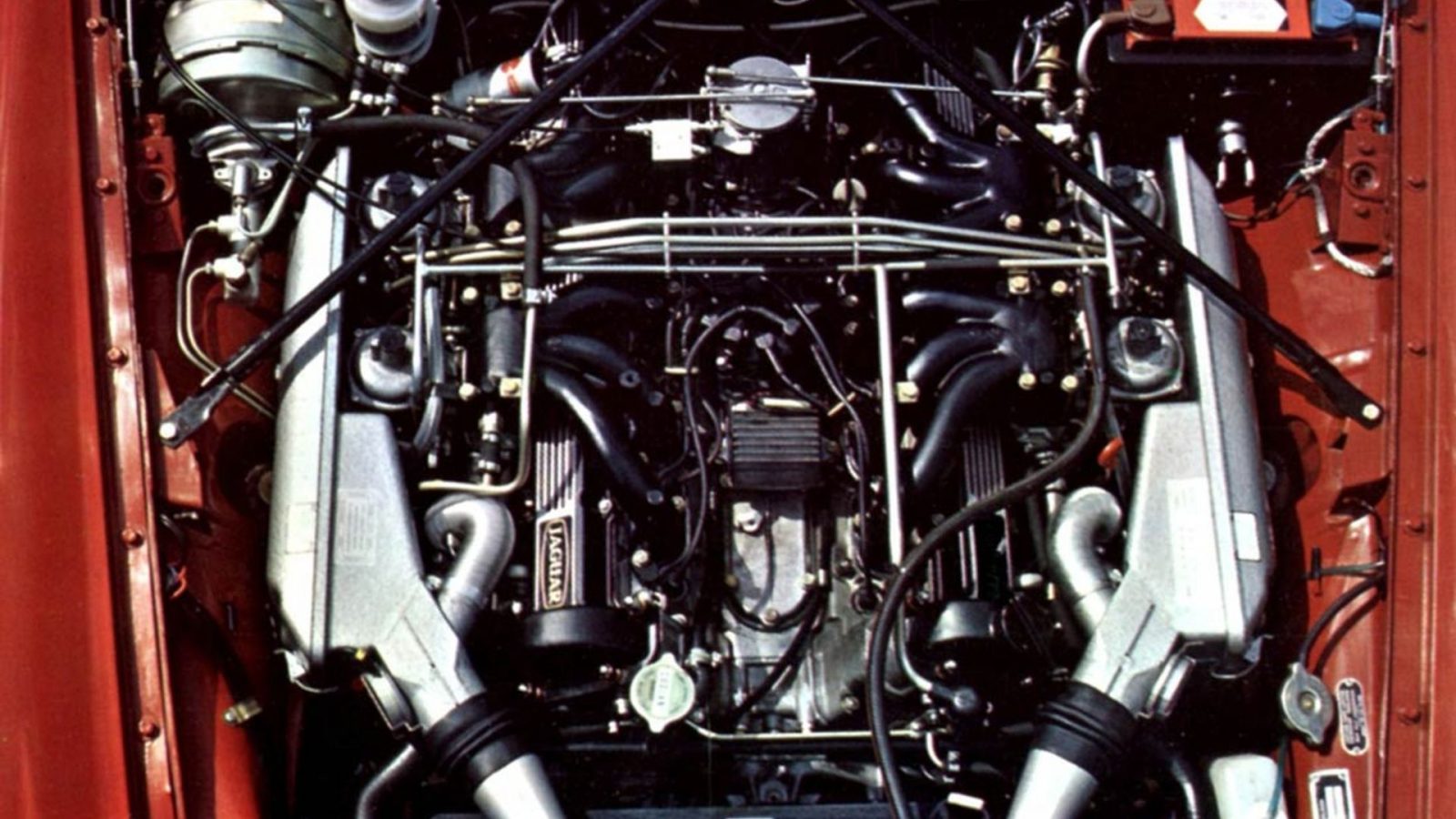
In 1972, the long-awaited 12-cylinder engine was made available in the XJ, which then became the XJ 12 and the Daimler Double Six. The 5.3-litre engine, equipped with four horizontal Zenith 175 DD 2 SE carburettors, explained the significant petrol consumption and 253 DIN hp. Automobil Revue magazine reported a consumption of 25.6 litres of super petrol per 100 km and even 36.3 litres per 100 km at a speed of 200 km/h. The 109-litre petrol tank did not seem so generous anymore.
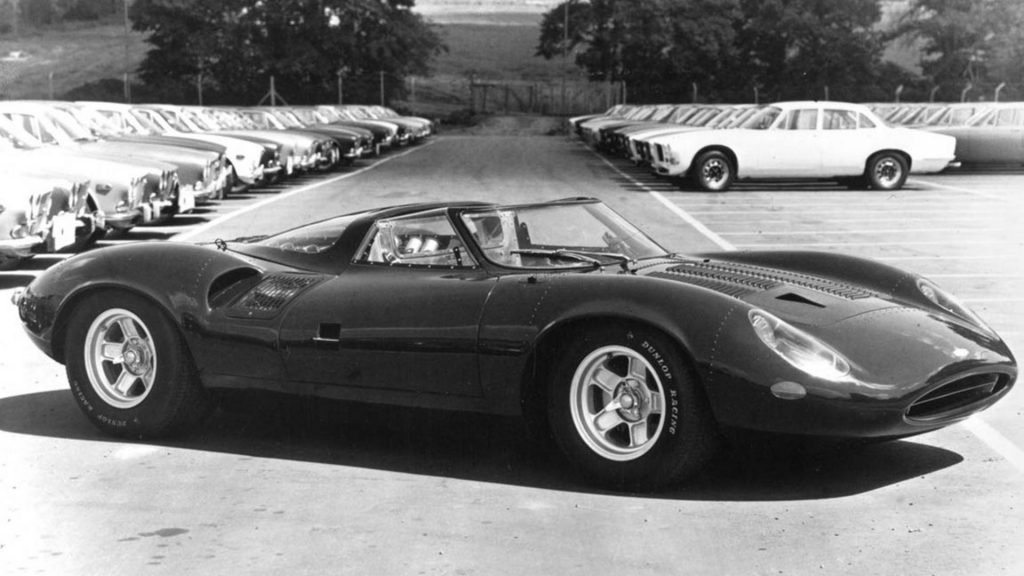
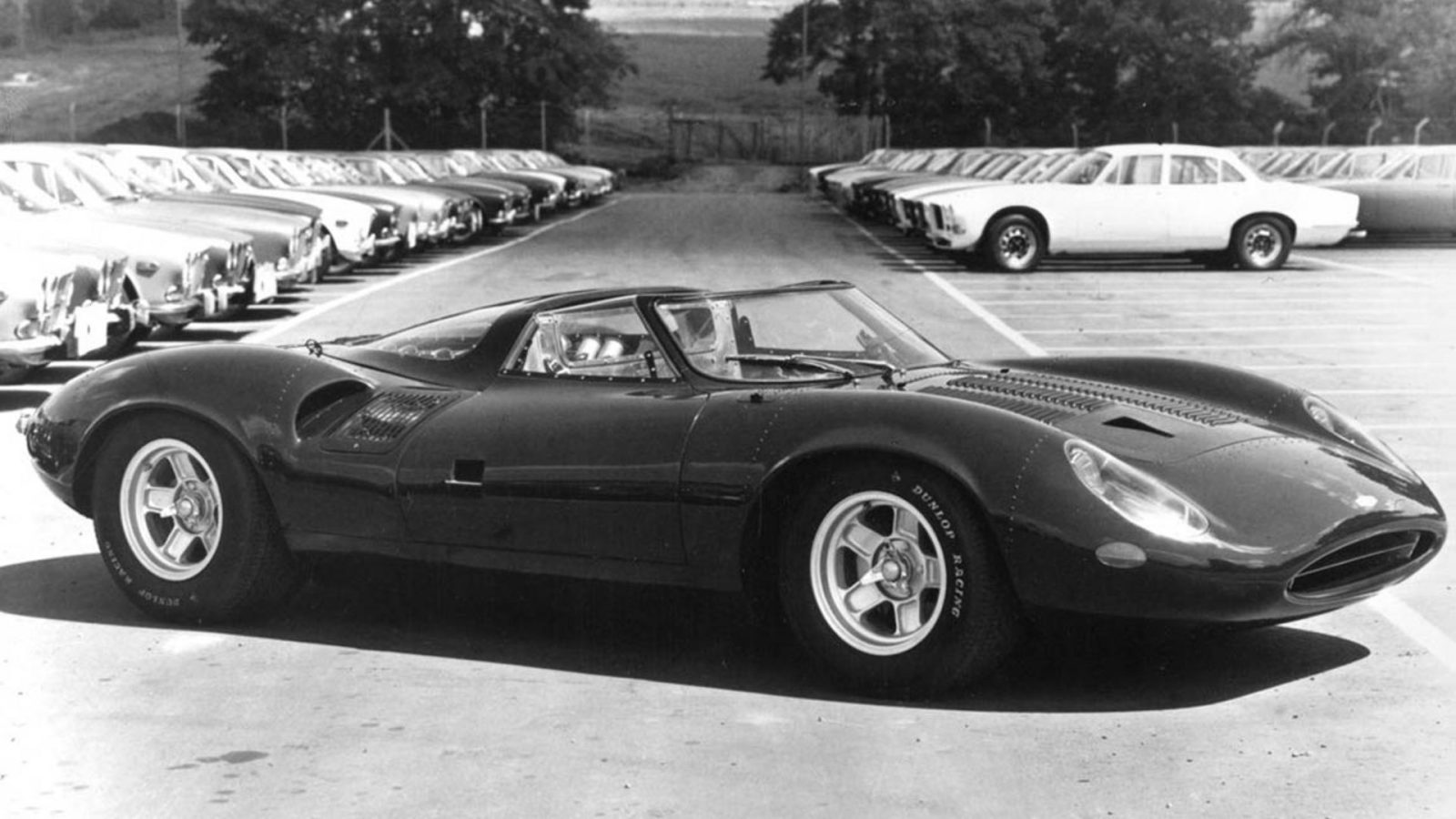
The Jaguar, however, showed the temperament of a sports car, accelerating to 100 km/h in 8.seconds and reaching a maximum speed of 227.5 km/h, despite the Wandler automatic transmission. Already tested on the middle engine of the XJ 13 prototype in the mid-1960s, the engine convinced with its astonishingly quiet performance. As Automobil Revue noted: “At a very slow pace or at idle speed, one cannot stop wondering, by shortly pressing the accelerator and keeping an eye on the revolution counter, if the engine is really on, as it does not make any noise. The vehicle reacts to the slightest touch on the accelerator and goes seamlessly above the 6,500-rpm red zone.”
In the context of the oil crisis, the early 1970s were not the best time for a 12-cylinder guzzling engine. That’s why only 5% of the Series I vehicles sold were equipped with the V12 engine, despite the moderate price surcharge compared with the smaller version, i.e. GBP 4,702.31 against GBP 4,154.15 (longer models).
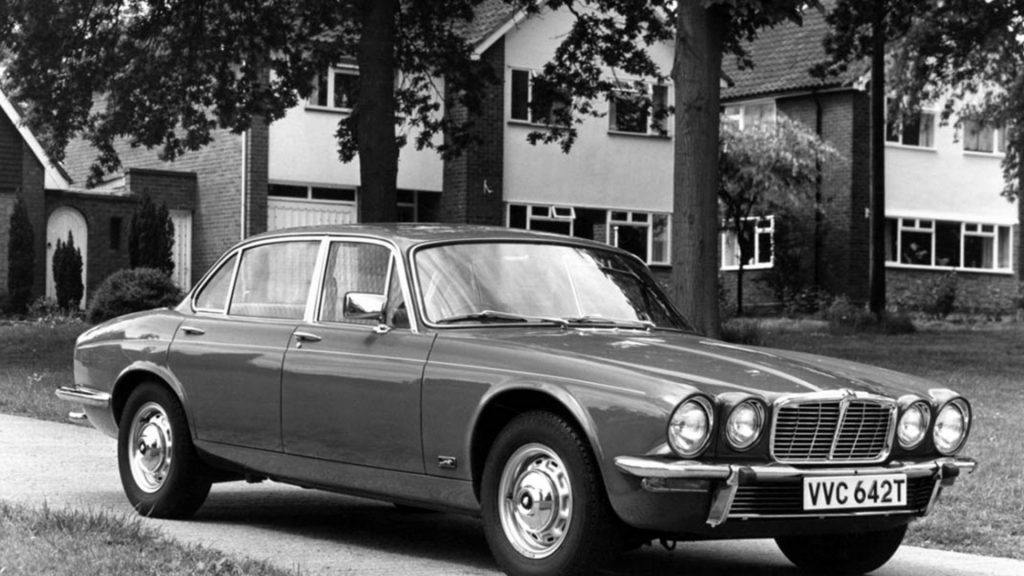
It took around four years for the Jaguar engineers to develop the successors to the 240/340 and 420G series. Drivers were looking for a more spacious and, above all, comfortable high-end saloon. At 4.8 m long, almost 1.8 m wide and weighing at least 1.6 tonnes, the solution came in autumn 1968 with the launch of the XJ 6, which offered unexpected luxury and style.
Technically speaking, the engineers relied on both proven and modern elements. The 4.2-litre six-cylinder engine came from its predecessor, though this time offering 186 hp. Whether manual or with Borg Warner automatic transmission, it had power. In addition, the wheels were individually installed and of course equipped with disc brakes.
Modernised Series II
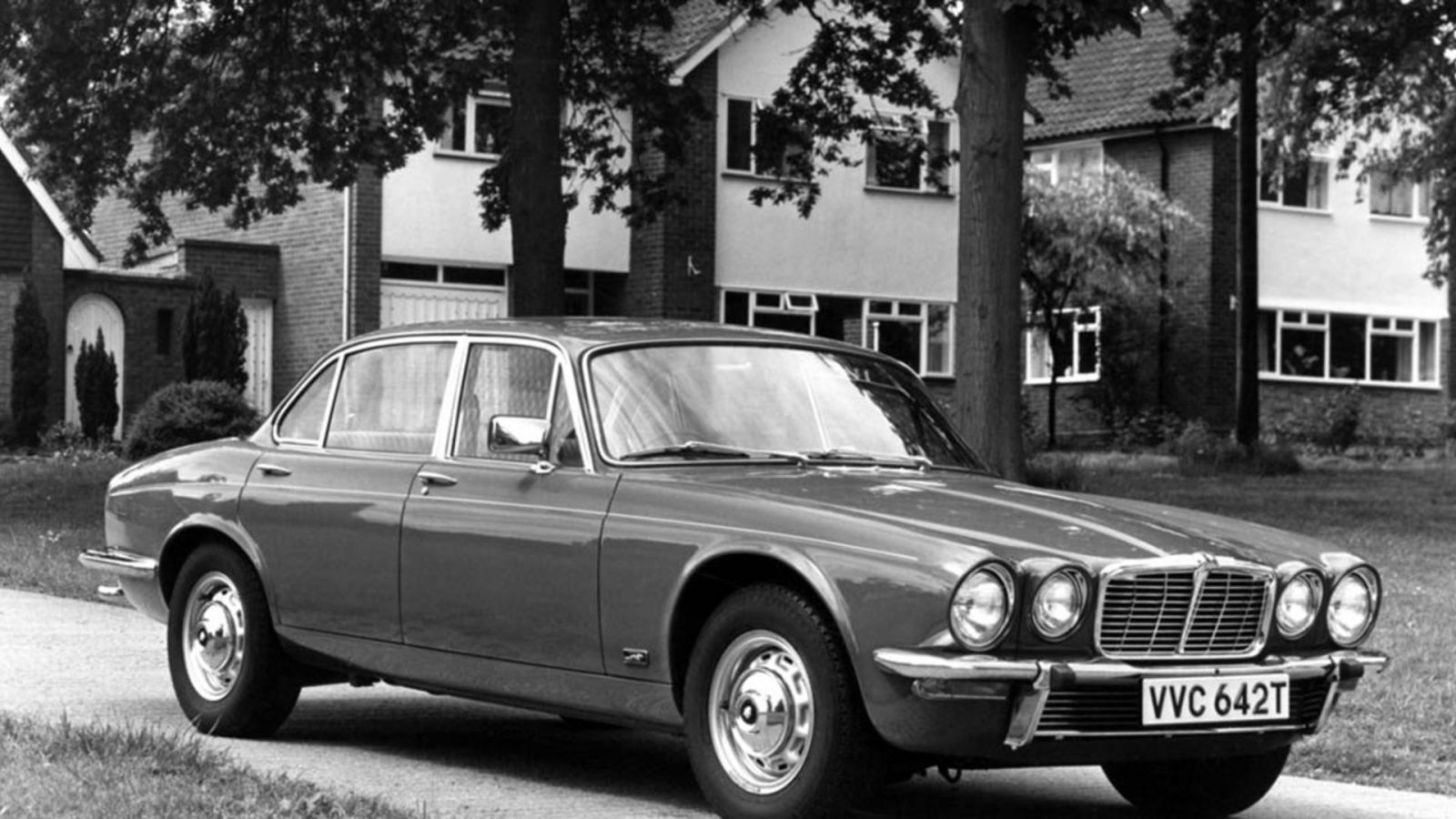
Five years after its premiere, Jaguar dealers introduced the redesigned XJ series at the IAA in Frankfurt. The bumpers were lifted to meet US standards. The engineers also took the opportunity to modify the dashboard design and equip the vehicle with a modern ventilation and air conditioning system. The six and 12-cylinder engines were still available. In addition to the four-door version, a two-door coupé was introduced, which cost 10% more and was also used in racing. The 12-cylinder Series II engine saw a slight increase in sales, thanks in particular to the fuel injection system, which increased power while reducing consumption. Of the 97,227 XJ Series II models produced, 14,226 were equipped with 12-cylinder engines.
Series III: A little help from an Italian designer
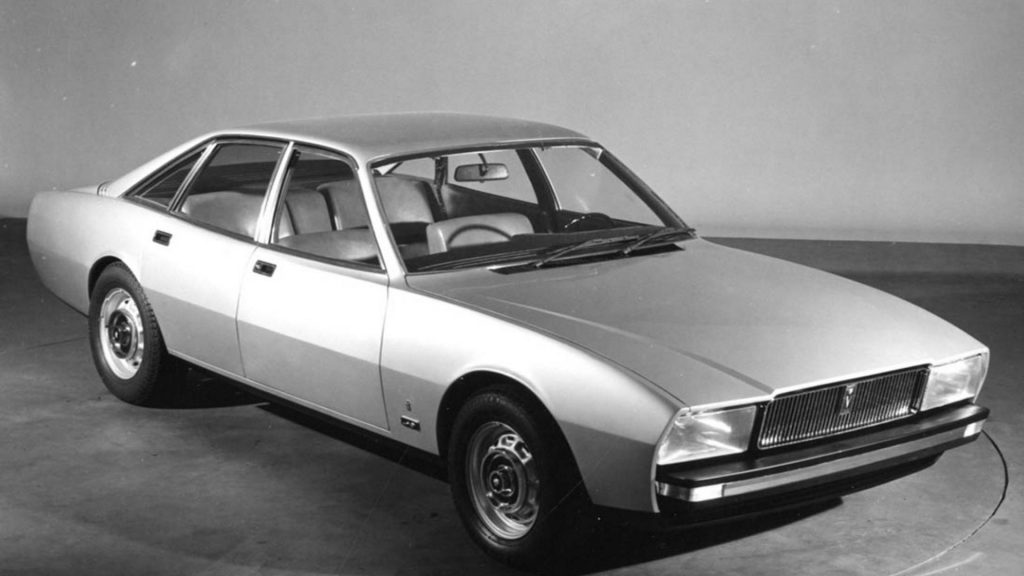
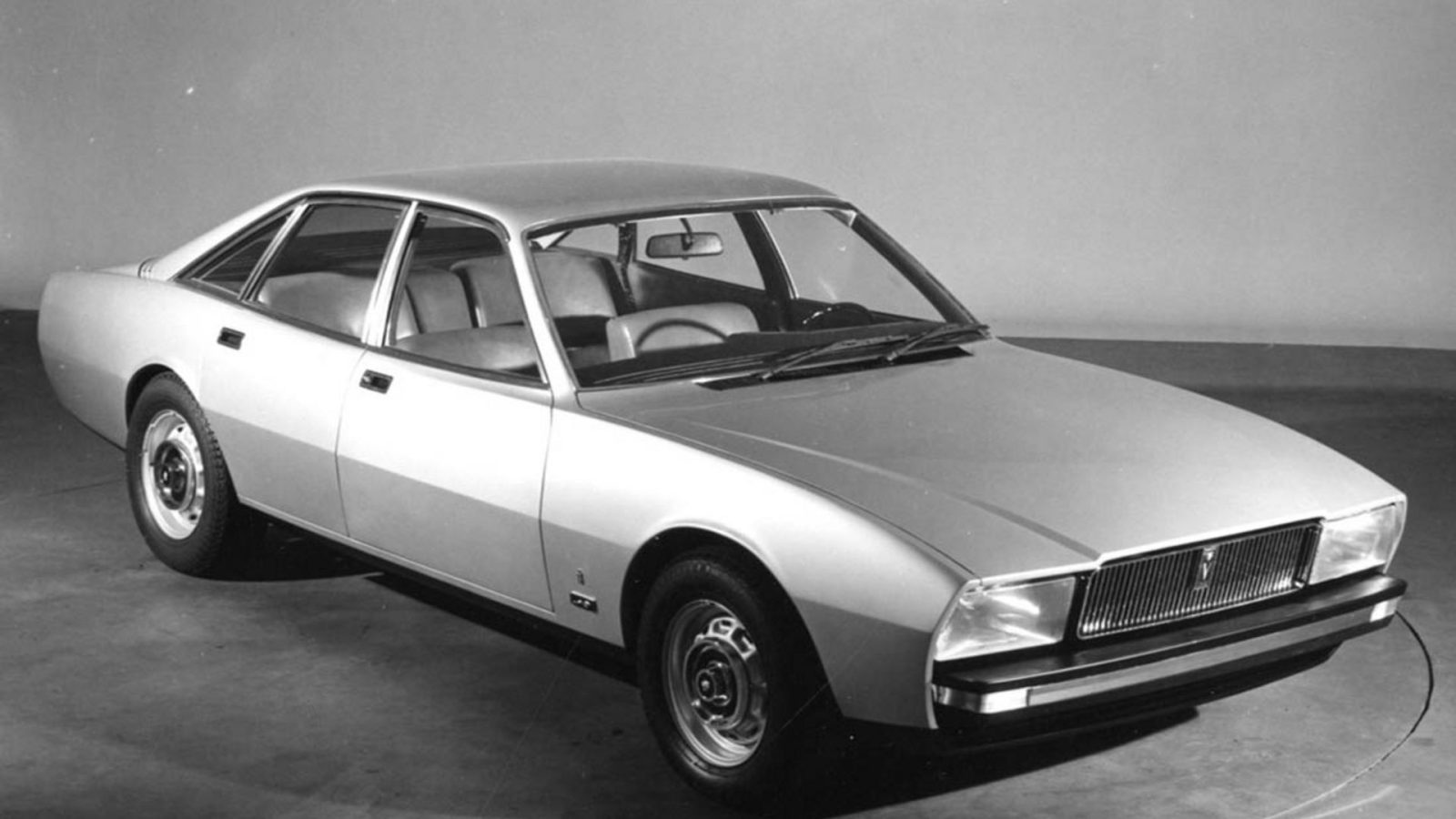
With the Jaguar XJ 12 PF, Pininfarina had already put forward his own interpretation of an elegant Jaguar saloon. However, that model looked more like a Pininfarina than a Jaguar. The Italian designer was nonetheless called upon again for the redesign the XJ series.
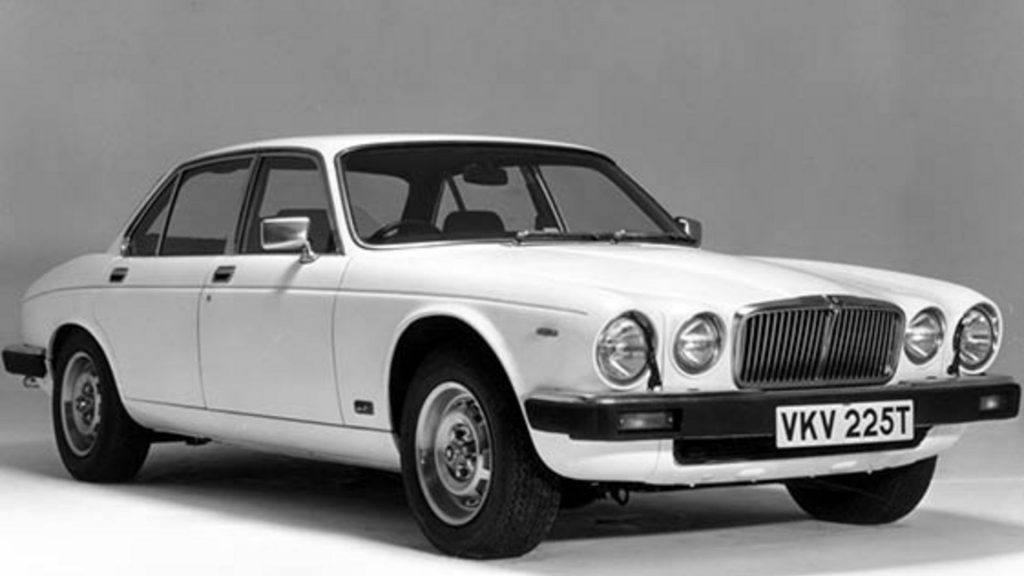
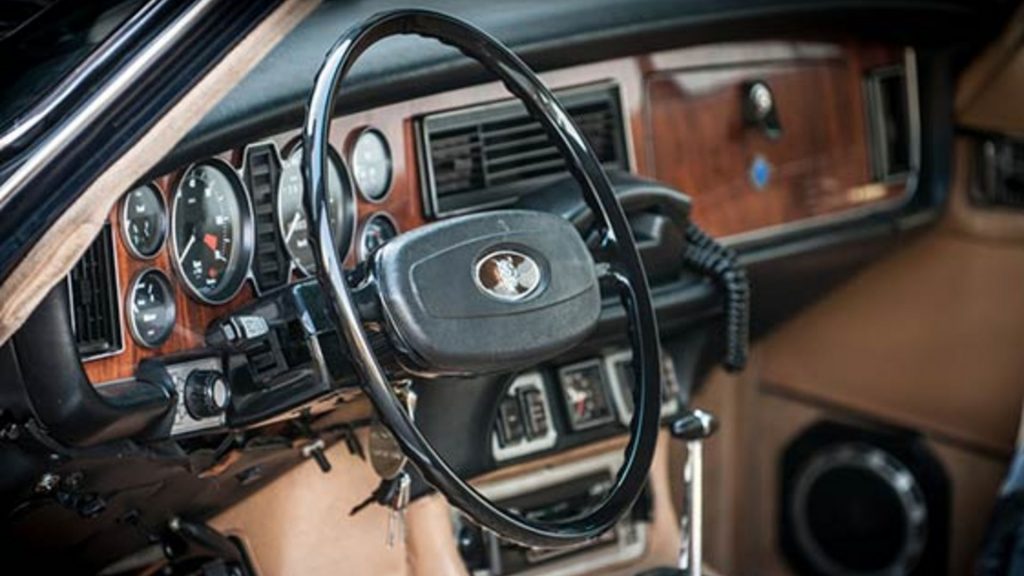
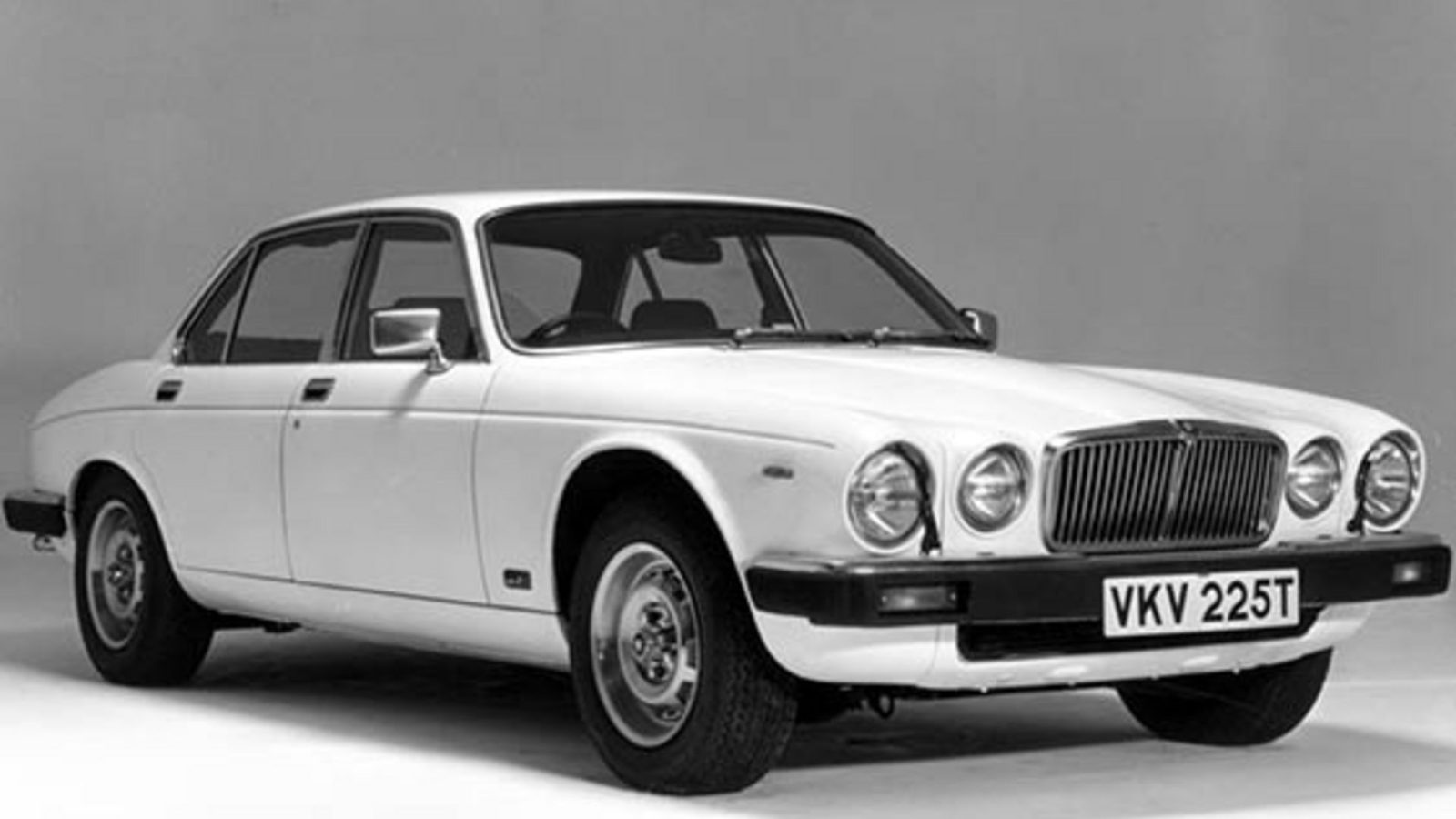
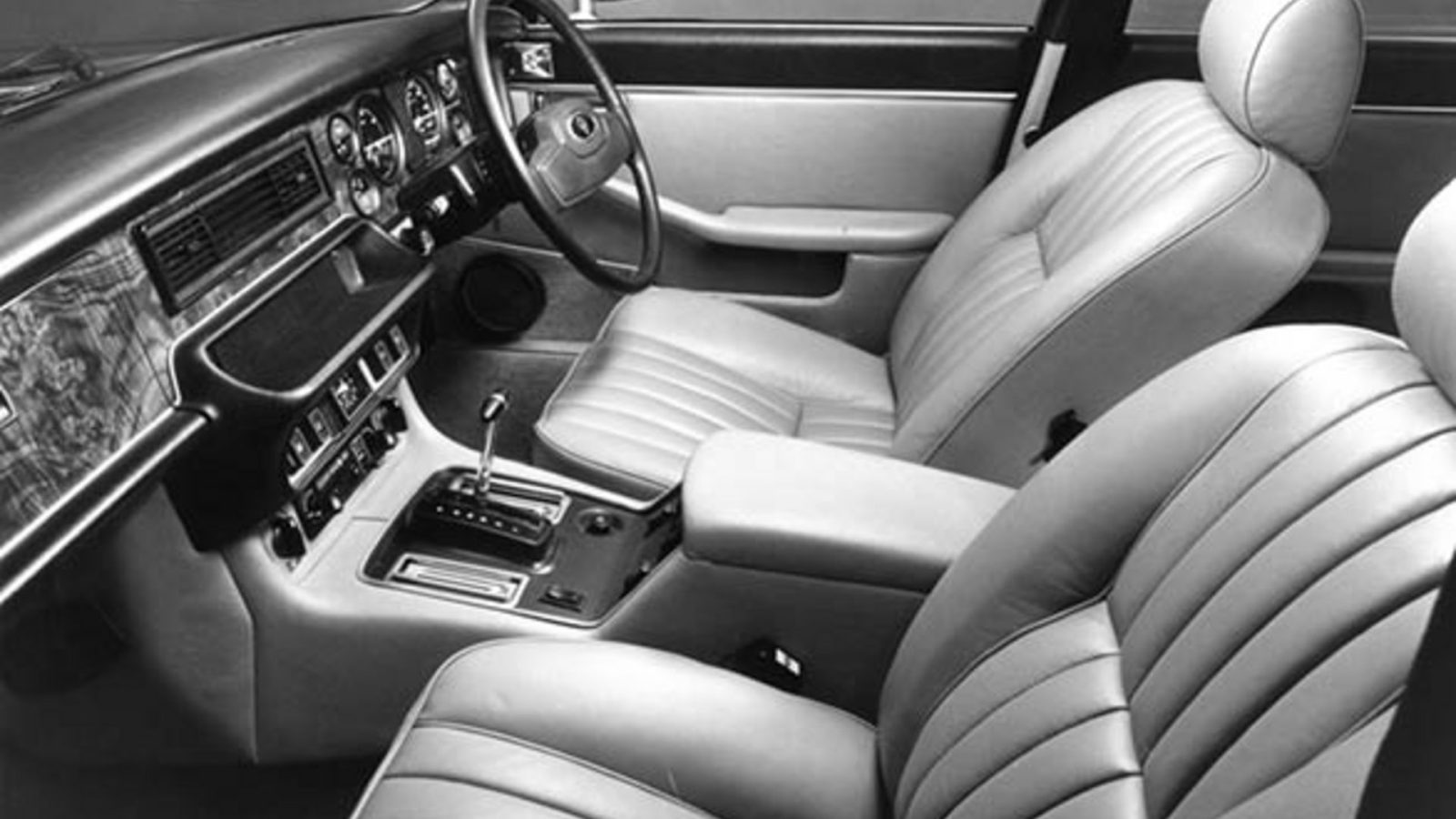
Pininfarina held back and only modified the bumpers, rear lights and roof area to retain most of the model’s classical line for the Series III launch in 1979. The interior boasted a new steering wheel, better seating with lumbar support and more headroom in back. The 4.2-litre engine, like the US version, was then equipped with a fuel injection system for more power. “Generally speaking, the third XJ generation fully meets the current requirements of an upper-class vehicle,” wrote Automobil Revue. This Series III would indeed live quite a long life. Up until 1992, 10,500 of the 132,952 saloons built (including the Daimler versions) were equipped with 12 cylinders. The Swiss racing driver-turned-engineer, Michael May, also contributed to its success.
Swiss efficiency
The 12-cylinder vehicle was redesigned in 1981, a rare occurrence as only Ferrari and Lamborghini continued to manufacture such complex engines in the 1980s. With the help of Swiss racing driver-turned-engineer Michael May, the engine was given a new cylinder head, increasing the power to 295 DIN hp. Thanks to its significant value in terms of consumption, it was soon nicknamed “HE” for “High Efficiency”.
With many other improvements and fine-tuning, both the Jaguar and its sister model, the Daimler Double Six, were manufactured until 1992 – over 300,000 XJ in total.
Elegant looks
More than 45 years after its premiere, the shape of the Jaguar XJ 12 remains attractive and subtly elegant. The Series II models have an especially modern and contemporary appearance.
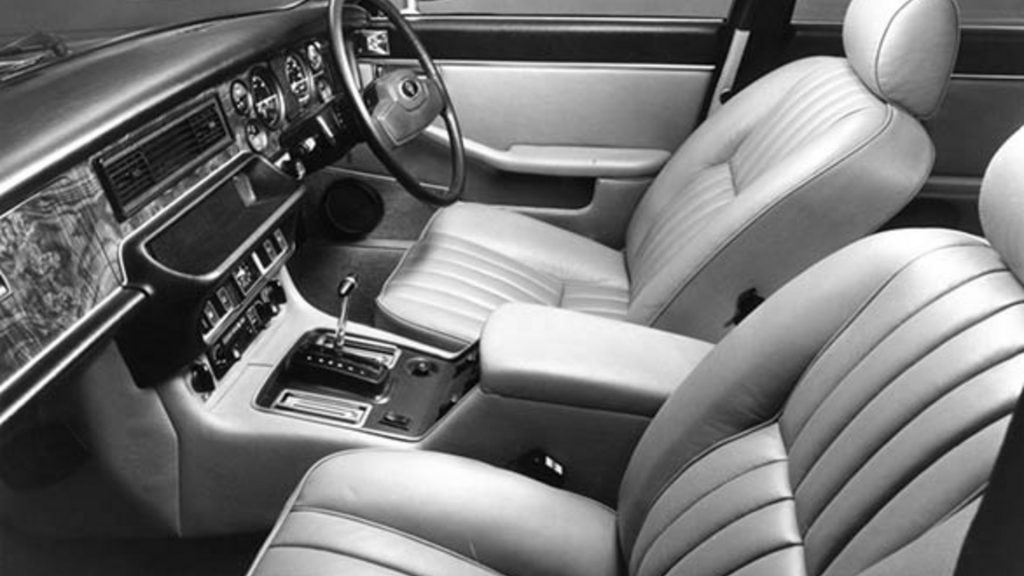
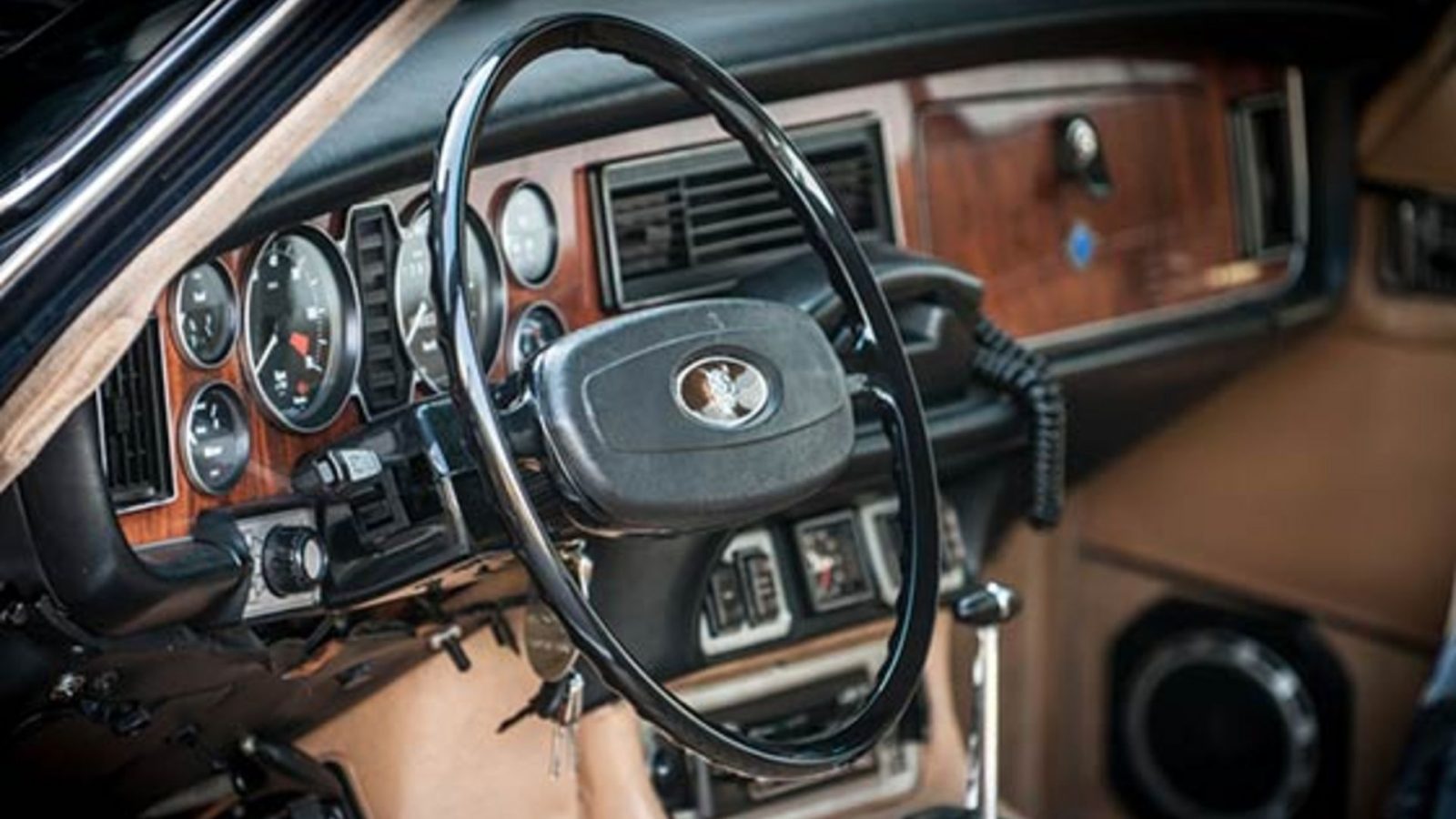
Similar to a gentlemen’s club, the interior welcomes you with wood and leather, and allows freedom of movement. The long version is also very spacious in back, although you would rather sit in the driver’s seat and gently lay your hands on the elegant steering wheel. The engine starts as soon as the key is turned, producing a soft baritone sound at idle speed. No sooner is the automatic transmission engaged than the saloon starts moving. The car enables effortless driving and steering. With a light touch on the pedal, the vehicle accelerates immediately. It is easy to understand why the test pilots spoke of a sports car’s temperament. This “feline” accelerates to 100 km/h twice as fast as an Opel or Ford from that time.
Taking costs into account
Nowadays, one naturally does not drive such a car as intensely as 40 years ago. And the high petrol costs quickly become an issue. The maintenance costs for the 12 cylinders, 24 valves and 9.1-litre oil capacity also take their toll.
If interested in a Jaguar XJ 12, it is important to understand that the maintenance and service costs are not cheap. Yet when well-maintained and cared for, the 12-cylinder Jaguar saloon still provides style in motion and a comfort that not many other vehicles can match.
Guest author: Werner Bartholai
Pictures: Bruno von Rotz – Balz Schreier – Archiv Zwischengas