
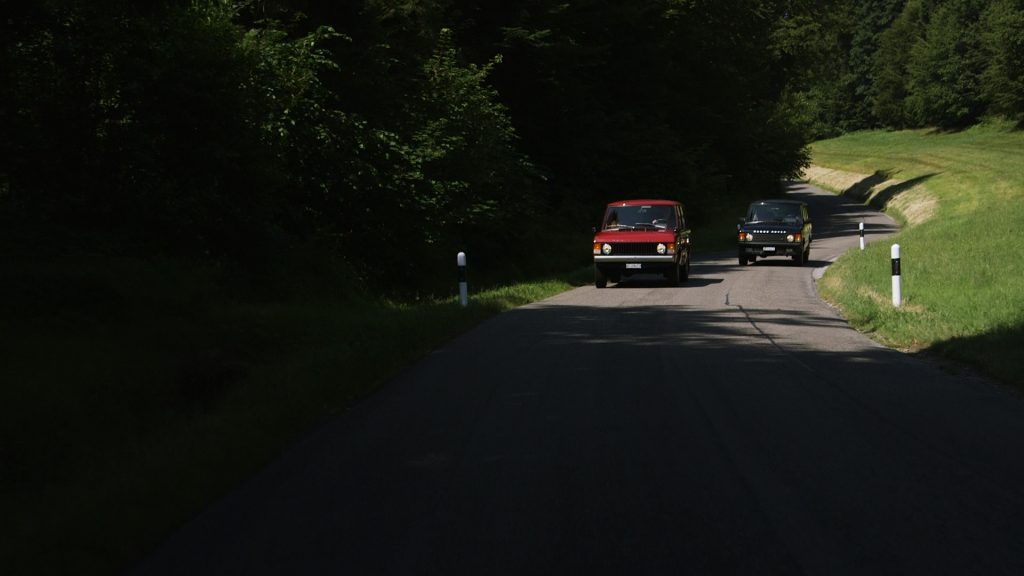
From SUV to luxury vehicle
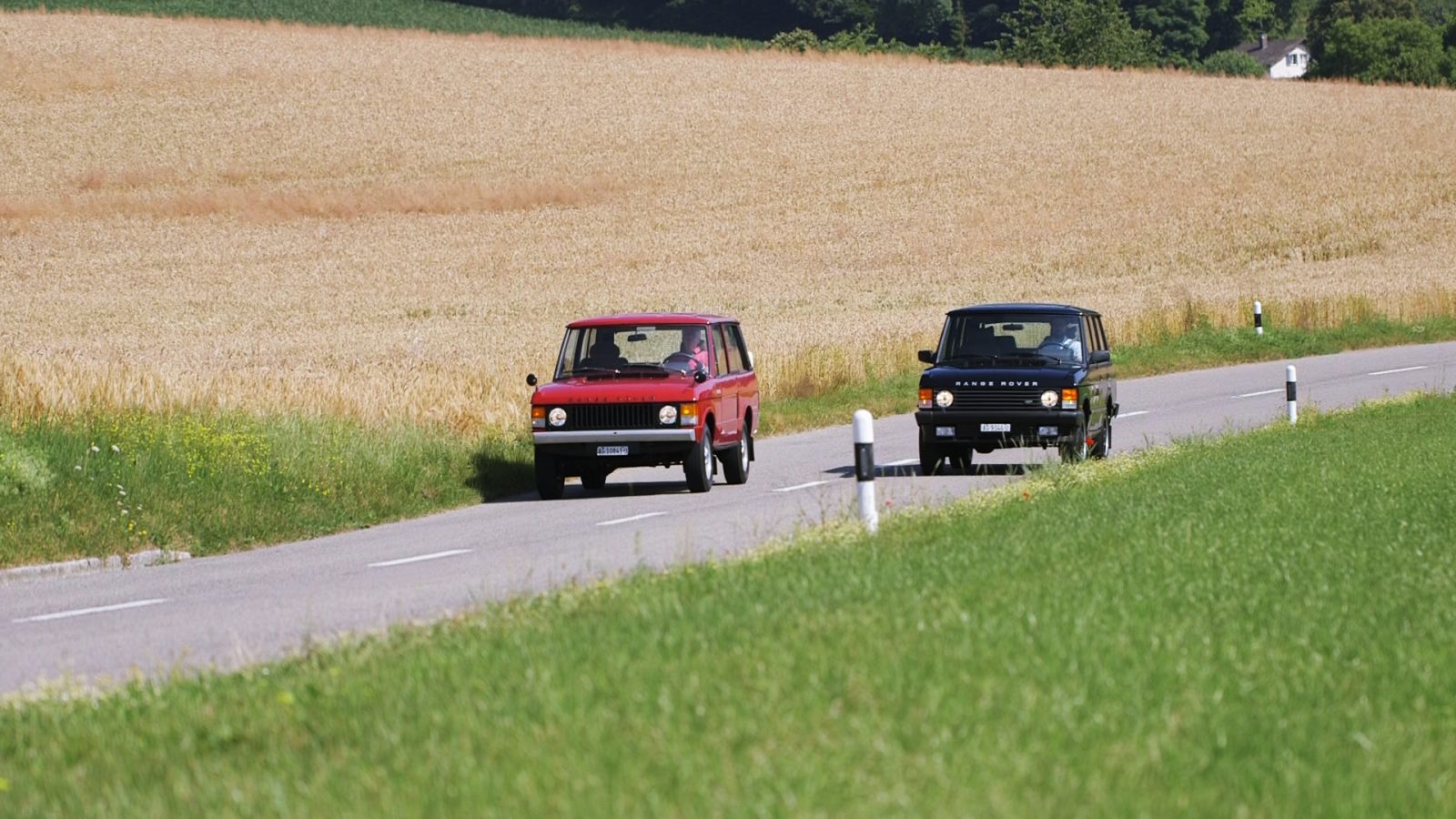
The first-generation Range Rover was built over a period of 25 years, with customer demand driving changes in the design and equipment. After nearly four years of development, the Range Rover was introduced in June 1970. Like the Land Rover, the elegant aluminium body contained a ladder frame chassis and two solid axles. For the engine, the Rover engineers chose a light metal V8, once adopted by Buick, coupled with a four-speed gearbox. The result was 132 DIN hp, helping to power the 1770-kg vehicle. The three-door Range Rovers featured a fold-down rear seat and a two-piece tailgate, with the window upwards and the lid folded down.
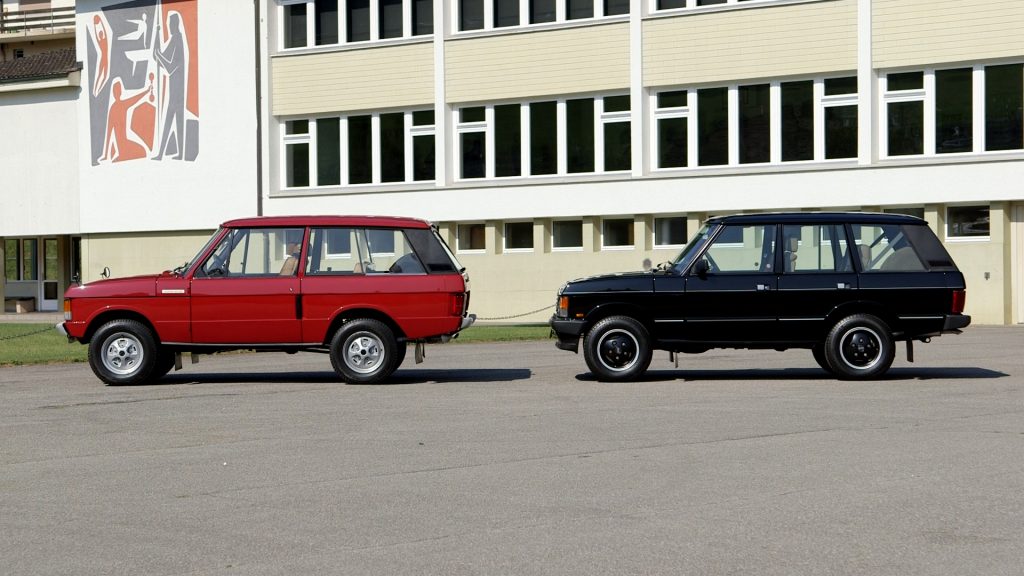
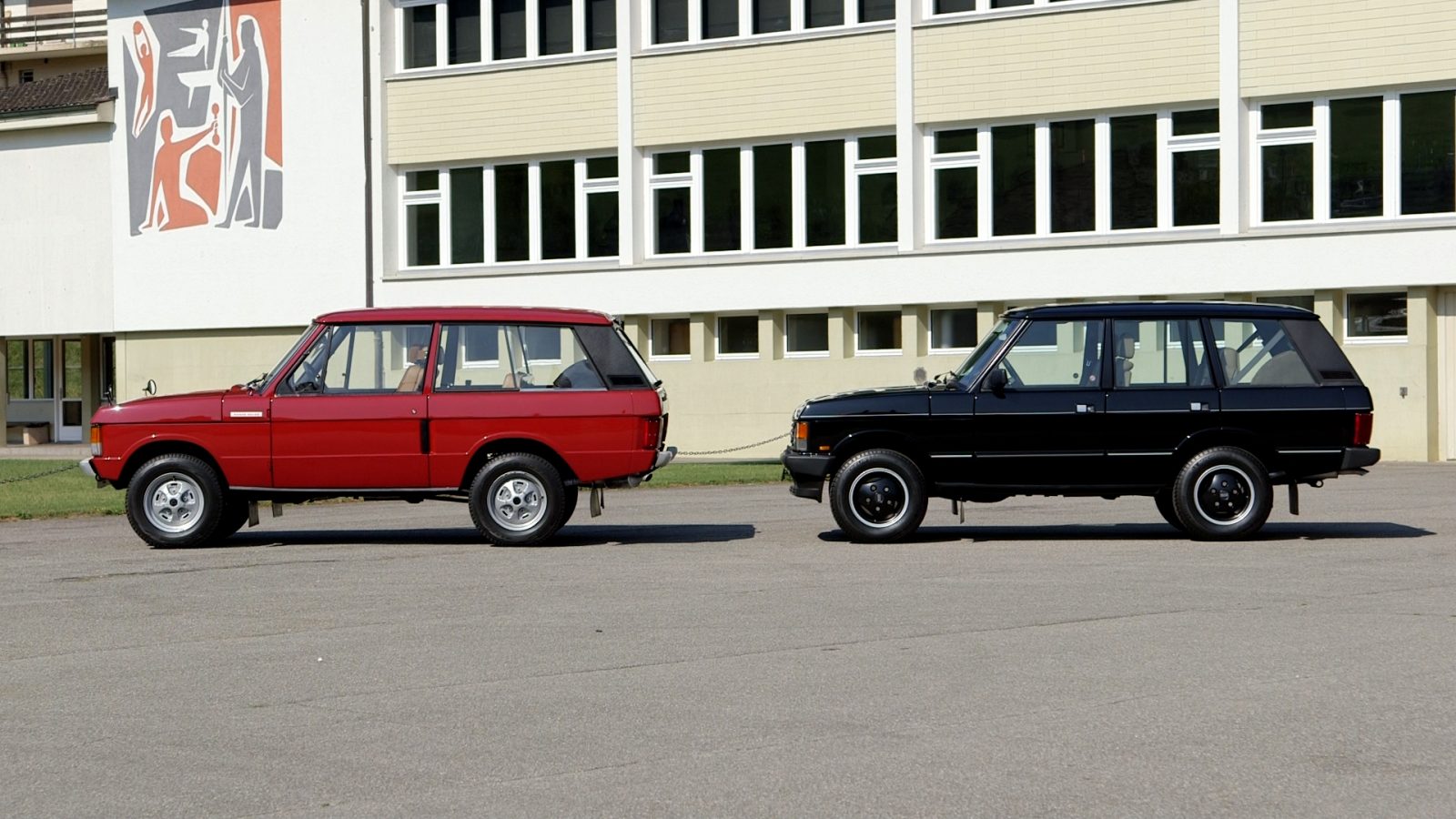
The first major innovation came in 1980, when Monteverdi offered a four-door version in collaboration with the manufacturer. Further factory adjustments began in 1981. The automatic version came in 1982, and in 1985, fuel injection replaced the carburettor. Little by little, the once-rustic SUV turned into a luxury SUV. Leather, air conditioning, power windows and a central locking system were soon offered – and help to explain the eventual launch of the “Vogue” luxury variant. The capacity of the V8 engine grew to 3.9 litres, with the KAT engine introduced in 1987. In 1992, a variant of the engine, 20.5 cm bigger, offered even more space and 4.2 litres of displacement. The P38A successor appeared in 1994, though production of the “classic” (original) Range Rover continued until 1996. Approximately 330,000 models were manufactured in total.
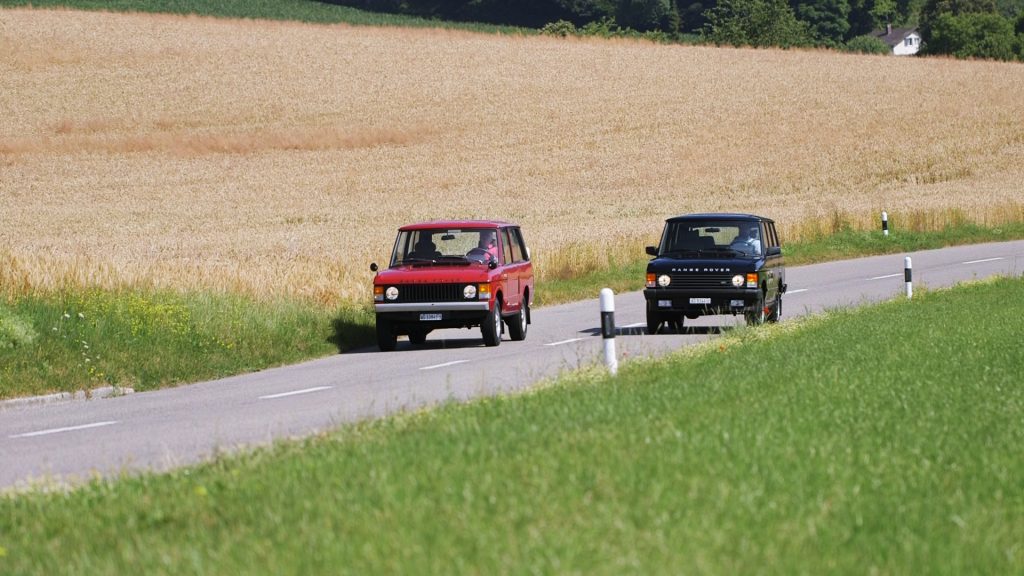
From the outside, the early-era Range Rover still looks modern and quite elegant. But when you step inside, the SUV is immediately clear: rubber floor mats, gross schlautiger lever, the cluster of simple instruments and little by way of comfort. When driving, you can feel and hear the mechanics. The four-speed gearbox wants to be handled with intent, the body is staggering, and the large cross-sectional area – combined with non-wind tunnel aerodynamics – slows down the 3.5-litre V8 engine. But the Range Rover does not try to be a sports car. Still, you move quickly, driving is fun, and there is no lack of “involvement” for the driver.
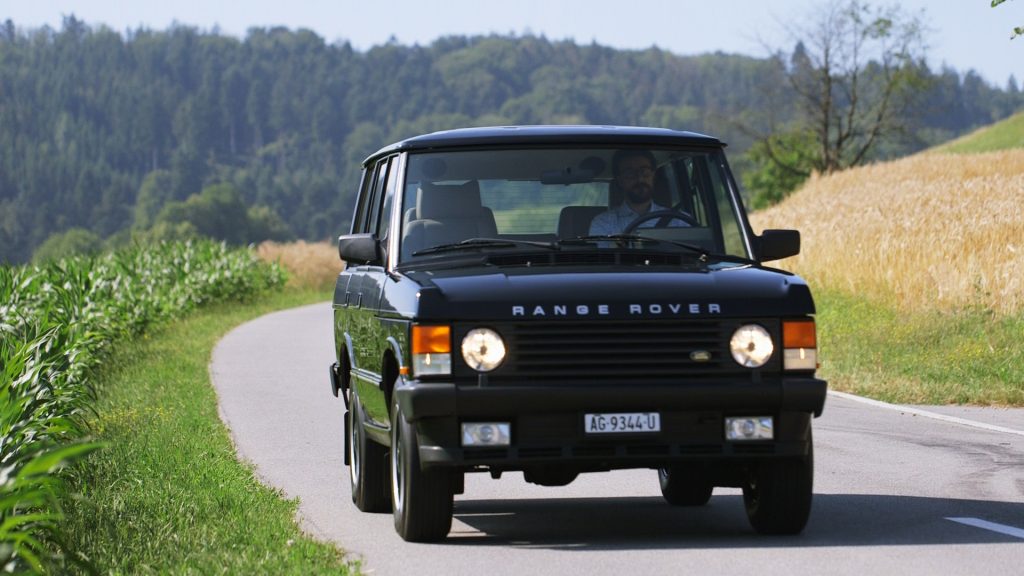
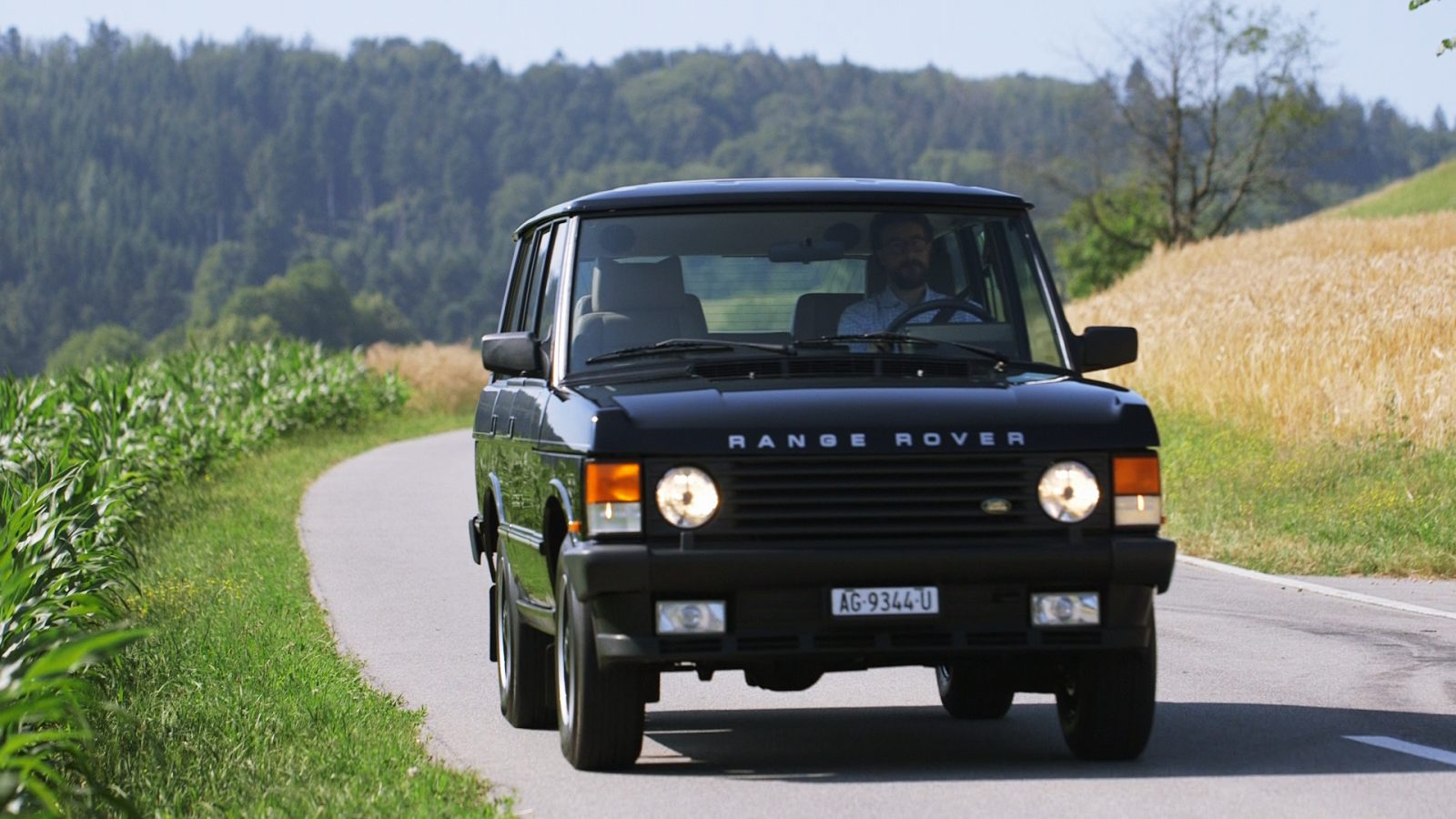
The Range Rover SEi Vogue, created almost 20 years later, is of a completely different calibre. It looks a bit more noble from the outside thanks to its aluminium wheels, hidden door hinges and elegant stripes on the side. In addition, it has four doors and the interior features a lot of leather, soft carpets and wood veneer. The disc brakes are now electric and the gears automatic. While the many improvements in comfort increased the weight of the car by around 200 kg, thankfully the engine grew with it. Despite the jump to 182 hp, the modern Range Rover does not try to look sportier – it was almost born to be a cruiser. From its high vantage point, one can observe the traffic. Both kinds of Range Rover can be enjoyed: active motorists in search of something special may prefer the early variant, while the later luxury variant will appeal to those who gravitate towards comfort, yet also want a classic Range Rover for everyday life.
Guest author: Bruno von Rotz
Picture and video: Michael Klauser